
What is the Revolving Fund?
Historic Salisbury Foundation has been working diligently in our beloved city and county to save historic properties for over 50 years. In that time, we have saved over 110 properties and we continue to work every day to preserve the historic integrity of the homes, buildings and neighborhoods in and around Salisbury. The Revolving Fund is the mechanism we use in order to fulfill this mission.
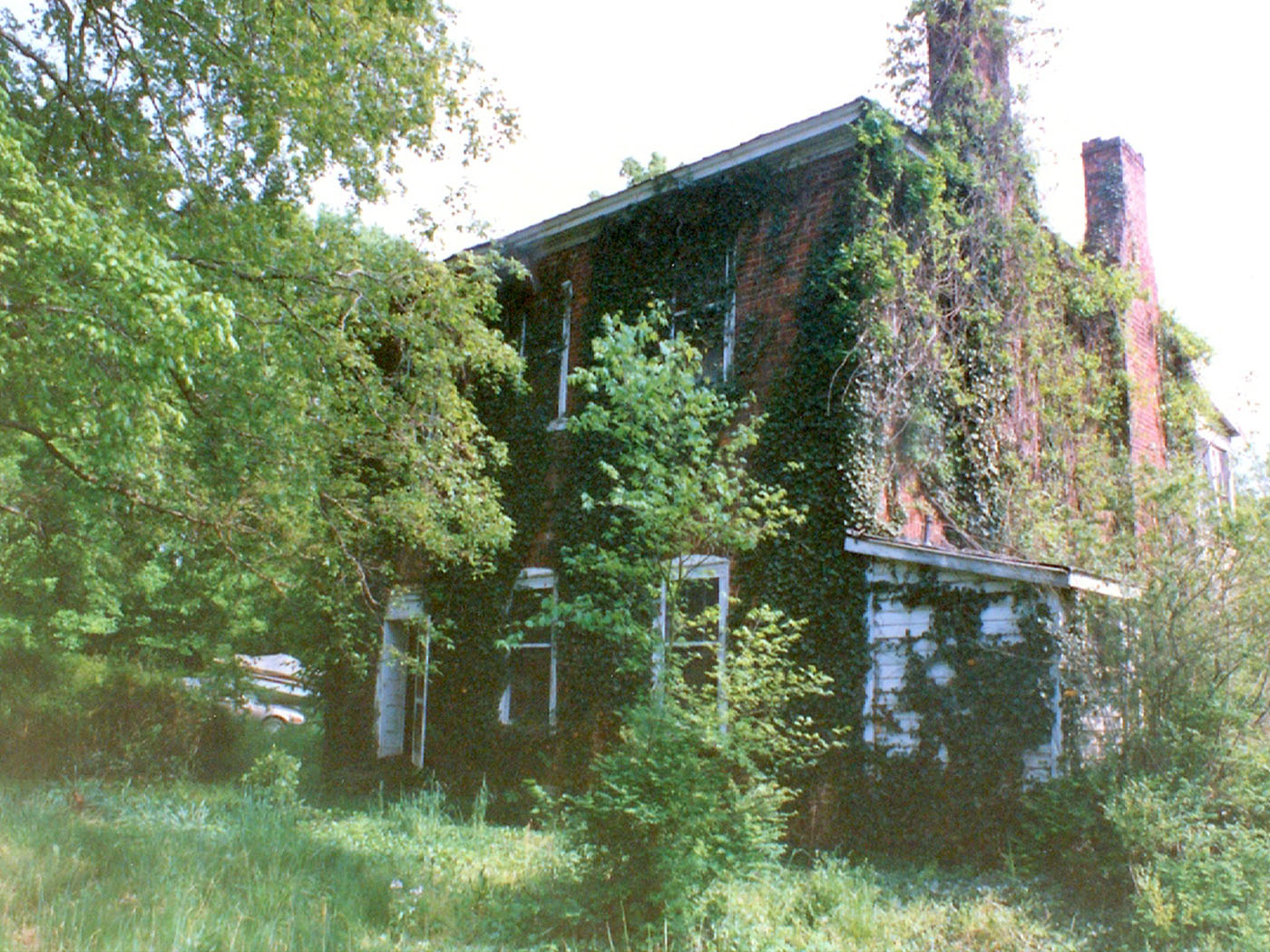
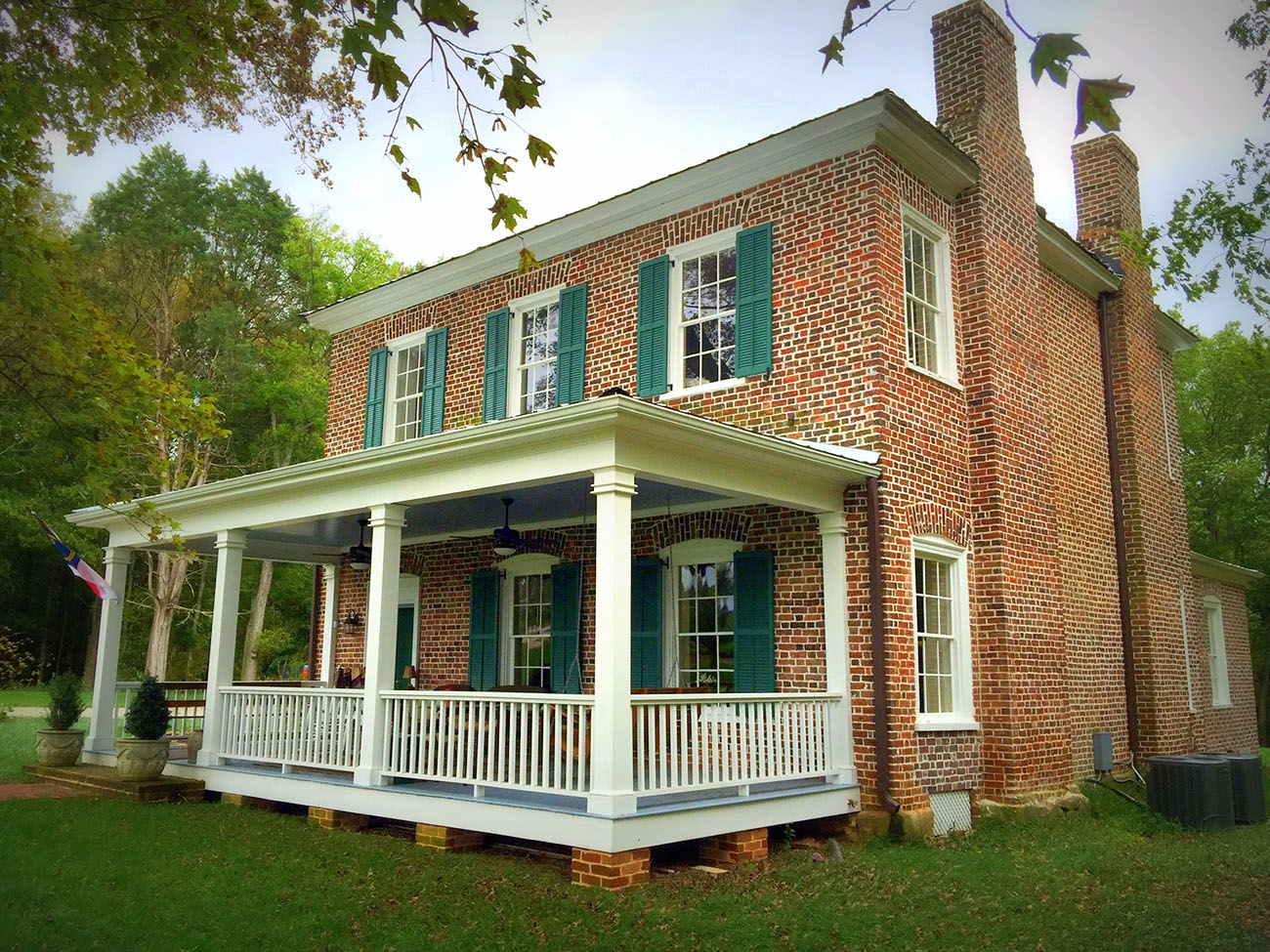
Pictured: Before and after photos of the Peter Kern House
The 3 ways properties become a part of the Revolving Fund:
Stabilization
Historic Salisbury Foundation will purchase (or receive by donation) a home that is historically or architecturally significant and stabilize it (foundation work, termite and water damage repair, new roof, exterior paint, etc.). Once the stabilization work is complete, HSF will sell the property to someone who agrees to follow a timeline to complete the remaining rehabilitation work. At the time of the sale, covenants are placed on the property with the deed that will forever run with the house. If any profit is made on the house, it is put back into the Revolving Fund account to pay for future stabilization projects.
Option to Purchase
A homeowner can give HSF the right to purchase a property for a specified period of time at a set price. In most cases, HSF would market the property higher than the set price to recoup any expenses and put money into the Revolving Fund. If Historic Salisbury Foundation finds a buyer during the time period, HSF would purchase the property and then sell it with covenants to the buyer on the same day.
Donated Easements
A homeowner can donate easements to forever protect their property. A staff or board member would come look at the property to determine architecturally significant features and have a preservation agreement drafted and filed. The individual wishing to donate the easement is responsible for all legal costs.
Properties in the Revolving Fund are inspected annually, and it is the responsibility of the homeowner to provide continual maintenance in order to ensure the preservation of the property.
Check to see if your home is protected by Historic Salisbury Foundation covenants!
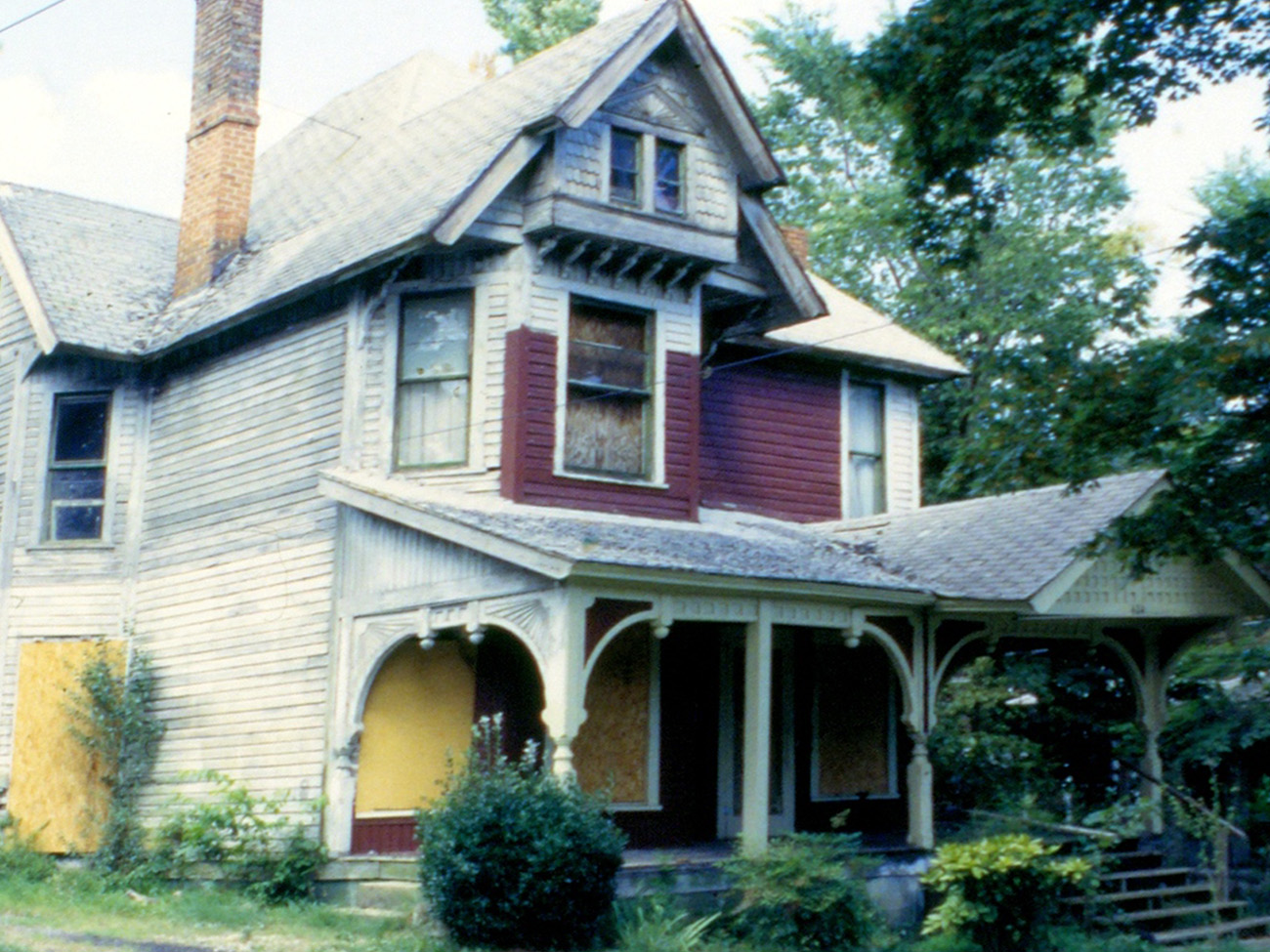
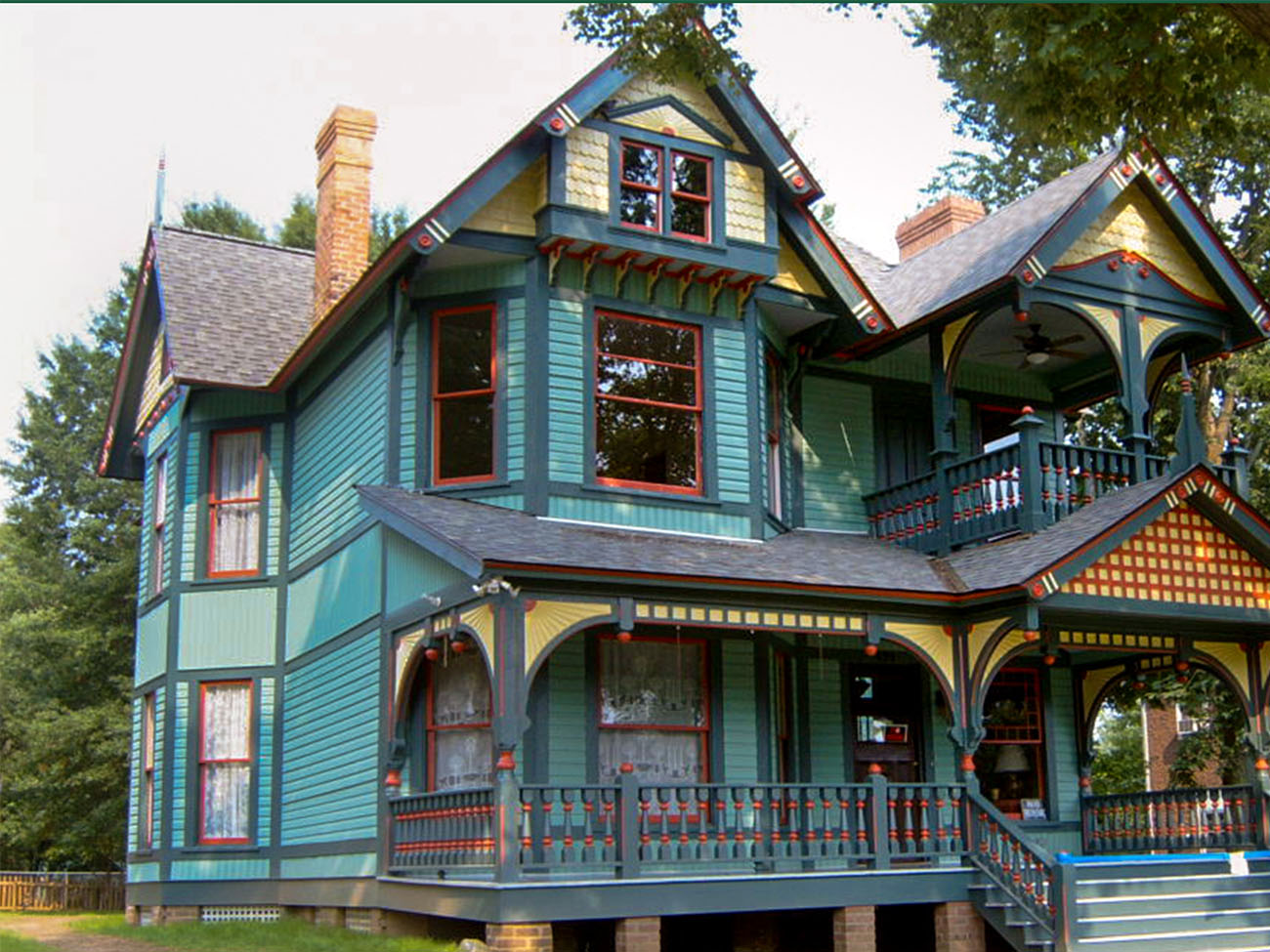
Pictured: Before and after photos of the McCubbins-McCanless House
Revolving Fund Homeowners
If you own a Revolving Fund property, this means your home or business is special. Historic covenants are not placed on just any house. We hope you take that seriously and will aid in the preservation of our city by continuing to care for your property.
Please take the time to read over your covenants to understand the requirements specific to your home. Our covenants have changed over the years and there are different restrictions for properties we acquired at different times. Click through the FAQs below to help you better understand Historic Salisbury Foundation's role in preserving your property!
FAQ
Covenants come in two forms: deed restrictions or preservation easements. Either way, they will be connected to the deed of your home. It may not be the deed you signed though - covenants can be connected to any deed for your property and they are still in effect. HSF’s covenants run into perpetuity. These are restrictions placed on your property for the purpose of preservation and might include things like requirements for approval to paint the exterior of your home, or state that all mantels and doors must remain in the house in their current location. If you cannot locate your covenants, please reach out to office@historicsalisbury.org or 704-636-0103 and we will send them to you!
Nearly every set of covenants is different, as every house is different! Generally speaking, you would need to get permission to make exterior changes (paint, changes in materials, etc.), cutting down trees over 12" in diameter, putting additional structures on your property, etc. Numerous properties have covenants that require you keep the original trim unpainted, others only require the trim remain intact, while it can be painted. The covenants are specific to each house because each house was in a different condition when the covenants were put in place.
Maybe both! If your home has Historic Salisbury Foundation covenants on it, you'll need to get permission from us to make changes to your home. If you live in a local historic district, you'll need to get permission from the Historic Preservation Commission. Click here for a map of the local historic districts.
For any change that requires Historic Salisbury Foundation’s approval, you must submit a Property Alteration Form. Printed copies are available at 215 Depot Street, Salisbury. The Revolving Fund Committee meets every first Tuesday of the month and will approve or deny the request at that time. Requests must be received by the Friday before the meeting. Smaller requests can be approved by the Executive Director.
If you have a broken sash or need to replace a door, trim, beadboard, hardware, or something else, come shop our architectural salvage warehouse, the Ice House! The Ice House is only open on the second Saturday of each month from 9 AM - 2 PM, but you can set up an appointment during the week! Just call the office at 704-636-0103.
Check out our Guide to Selling a Historic Property! But here are the basics: When selling your home with protective covenants on it, you’ll need to let Historic Salisbury Foundation know. HSF must waive the right of first refusal in order for you to sell your home. When you have an offer on your property, let your realtor and/or closing attorney know so they can email a waiver to office@historicsalisbury.org. You may also be required to pay a covenant fee at the time of the sale (if you are required to pay a covenant fee, it would be indicated on the last page of your covenants).